Cloning
What is Cloning?
Cloning is an umbrella term to describe different processes for duplicating biological material.
Cloning is the process of creating an identical copy of an organism, cell, or DNA sequence. This technology has been widely used in different fields, including medicine, agriculture, and biotechnology. Cloning has raised numerous ethical, social, and scientific concerns, particularly when it comes to cloning plants, animals, and humans.
Reproductive Cloning
Reproductive cloning is the process of creating a genetically identical copy of an organism through somatic cell nuclear transfer (SCNT). This involves taking an egg cell and removing its nucleus, and then replacing it with the nucleus of a somatic cell (any non-reproductive cell of the organism to be cloned) from the organism to be cloned. The resulting embryo is then implanted into a surrogate mother's uterus and allowed to develop into a newborn that is genetically identical to the original organism.
Reproductive cloning has been successfully performed in various animals, including sheep, cats, cows, and mice. Dolly, the first successful cloning of a sheep in 1996, was created by reproductive cloning technology. Cloned animals often suffer from various health problems, such as premature aging and organ failure, which makes reproductive cloning a controversial and complex topic.
Gene Cloning
Gene cloning is a technique used to create multiple copies of a specific gene or a piece of DNA. It involves the isolation and replication of a specific segment of DNA, which can then be inserted into a vector, such as a plasmid or a virus, that can carry the DNA into a host organism, such as bacteria or a yeast cell. The vector carrying the cloned DNA is then introduced into the host organism, which will use its own cellular machinery to replicate the DNA and produce multiple copies of the gene or DNA segment. This technique allows researchers to produce large quantities of a specific gene or DNA sequence for further study or for use in applications such as genetic engineering or biotechnology.
Gene cloning has many practical applications, including the production of therapeutic proteins, the creation of genetically modified organisms, and the study of gene function and regulation.
Therapeutic Cloning
Therapeutic cloning is a medical technique that involves creating a cloned human embryo for the purpose of harvesting its stem cells, which can then be used to create tissues or organs for transplantation. The process of therapeutic cloning involves transferring the nucleus of a patient's cell into an egg that has had its own nucleus removed, resulting in a cloned embryo that is genetically identical to the patient.
Once the embryo has developed to a certain stage, stem cells are harvested from it, which can then be grown and differentiated into different types of cells that are needed for therapeutic purposes. These stem cells have the ability to divide and differentiate into various specialized cells, such as heart muscle cells, nerve cells, or pancreatic cells.
The hope is that these stem cells can be used to create new tissues or organs that can be transplanted into the patient without risk of rejection by their immune system, as they will be genetically identical to the patient's own cells. Therapeutic cloning has the potential to revolutionize the field of regenerative medicine and has many potential applications in the treatment of a wide range of diseases and conditions. However, it is still a relatively new and controversial technique that raises many ethical, legal, and social issues.
Molecular Cloning
Molecular cloning is a technique used in molecular biology to create copies, or clones, of a specific DNA fragment. It involves the insertion of a DNA fragment into a self-replicating genetic element, such as a plasmid or bacteriophage, which can then be propagated in a host cell, such as a bacterium or yeast.
The process of molecular cloning typically involves several steps. First, the DNA fragment of interest is isolated and amplified using techniques such as PCR (polymerase chain reaction). Next, the isolated fragment is inserted into a vector, which is a DNA molecule that can replicate independently of the host cell's chromosomal DNA. The vector typically contains selectable markers, such as antibiotic resistance genes, that allow for the selection of cells that have successfully incorporated the vector.
Molecular cloning has a wide range of applications in biological research, including the study of gene function, the production of recombinant proteins, and the development of gene therapies.
Cloning Plants
Cloning plants is a common practice in agriculture and horticulture. It is an effective way of propagating crops with desirable traits, such as high yields, disease resistance, and improved quality. Cloning is often done by taking a cutting from a parent plant and growing it into a new individual. This method is known as vegetative propagation.
However, cloning can also be done artificially by taking a small piece of tissue from a plant and growing it in a laboratory under controlled conditions. This technique is known as somatic embryogenesis. It has been used to produce thousands of genetically identical plants, such as fruit trees, roses, and ornamental plants.
Cloning Animals
Animal cloning has many potential applications, including in agriculture, conservation, and medicine. It could be used to produce genetically identical livestock with desirable traits, such as increased milk or meat production, or to preserve endangered species. However, animal cloning also raises many ethical and welfare concerns, including the potential for increased rates of birth defects, health problems, and suffering in cloned animals. In addition, there are concerns about the impact of cloning on biodiversity and the environment.
Cloning Humans
Cloning humans is a highly controversial and ethically fraught area of research. The process of human cloning would involve creating a genetically identical copy of an existing person, either by implanting a cloned embryo into a woman's uterus or by growing a clone in a laboratory.
The idea of human cloning has been the subject of much debate and speculation, with proponents arguing that it could be used to cure genetic diseases or to produce organs for transplantation. However, the potential risks and ethical concerns of human cloning have led many countries to ban the practice outright. In addition to the ethical and social implications of cloning, there are also practical challenges to be overcome, including the high failure rate of cloning attempts and the risk of genetic abnormalities in cloned individuals.
Cloning to Save Endangered Species
Cloning is a technology that offers a potential solution to save endangered species. This technology can be used to preserve endangered species by creating new individuals that have the same genetic makeup as their endangered counterparts. Cloning can also be used to revive extinct species by using preserved DNA samples. However, the success of cloning depends on the availability of preserved genetic material and the availability of surrogate mothers to carry the cloned embryos to term. Despite some ethical concerns surrounding the use of cloning, it offers a new hope for preserving the biodiversity of our planet and preventing the loss of endangered species forever.
Cloning has the potential to revolutionize many fields of science and technology, but it also raises significant ethical, social, and scientific concerns. While the cloning of plants and animals has become a common practice, the cloning of humans remains a controversial and divisive issue. As cloning technology continues to advance, it is important to carefully consider the implications and potential consequences of its use.
Cloning Articles and Web Sites
I search the internet daily for new articles from around the world that interest me or I think will interest you. My hope is that it saves you time or helps students with their assignments. Listed by most recent first, dating back to 2005.
-
Colossal Creates Elephant Stem Cells for the First Time in Quest to Revive the Woolly Mammoth from Singularity Hub
-
Company Trying to Resurrect a Mammoth Makes a Stem Cell Breakthrough from Gizmodo
-
Scientists take a step closer to resurrecting the woolly mammoth from NPR
-
Cloned rhesus monkey created to speed medical research from BBC
-
From DNA analysis to cloning, San Diego Zoo Wildlife lab works to prevent animal extinction from NBC San Diego
-
Scientists Think Cloning Could Help Save Endangered Species from Science Friday
-
Why a Genome Can't Bring Back an Extinct Animal from Gizmodo
-
Hacker Cloning Tool Goes Viral, but How Dangerous Is It? from NBC5 Chicago
-
Scientists Are Thinking About Cloning an Extinct, Mummified Bison from Popular Mechanics
-
Can We Recreate Dinosaurs Just Like In Jurassic Park? from Science ABC
-
Should we bring back the dodo? De-extinction is a feel-good story, but these high-tech replacements aren’t really ‘resurrecting’ species from The Conversation
-
Scientists Say They Can Bring Back the Dodo. Should They? from Singularity Hub
-
A Biotech Company Wants to Resurrect an Iconic Species — Will It Work? from Inverse
-
China says it successfully cloned 3 highly productive 'super cows' from CTV
-
Cloned cat close to being born from CTV News
-
World’s first cloned arctic wolf is now 100 days old from Freethink
-
China Uses Cloning Technology To Create World’s First Wild Arctic Wolf Maya from Mashable
-
A ‘De-Extinction’ Company Says It’ll Bring Back the Tasmanian Tiger from Gizmodo
-
The Man Who Wants To Release Thousands of Wooly Mammoths Into the Arctic from Newsweek
-
Meet the man fighting climate change by cloning the world's oldest trees from Euronews
-
Cloned mice created from freeze dried skin cells in world first from The Guardian
-
Why haven't we cloned a human yet? from Live Science
-
Rise of Cloning: Reasons on Why Cloning Is Finally Happening Around the World from Nature World News
-
Luke O'Neill Explains How Cloning Humans and Animals Works video
-
The people cloning their pets from BBC Future
-
Can We Resurrect Extinct Species? Scientists Put Jurassic Park to the Test from Singularity hub
-
I paid $25K to clone my cat because she was special – but my new pet is completely different from The Sun
-
The Biochemistry of Cloning from News-Medical.net
-
Ferret cloned from frozen cells could improve prospects for endangered species ftom KJZZ
-
Live Science posted How does cloning work?
-
A mammoth resurrection from BioEdge
-
The Wild Plan To Bring Back Woolly Mammoths Seeker video
-
BBC Focus posted Resurrecting the mammoth could be possible – but we shouldn’t bother
-
Massive Science posted Inside the complicated, messy world of pet cloning
-
Can You Clone a Dog’s Personality? from Pioneer Works
-
Wyoming Tribune Eagle posted As researchers clone ferrets, Wyoming scientists emphasize habitat
-
From Dolly to endangered species: A history of cloning from BBC Focus
-
BBC Focus posted Rise of the Clones: 7 ways cloning is already happening
-
Scientists Clone Endangered Horse Using 40-year-old DNA in a Bid to Revive Genetic Diversity of the Species - weather.com
-
Kurt the cloned horse was created using 40-year-old genetic material - nypost.com
-
What would it be like to grow up as the first mammoth-elephant hybrid? - massivesci.com
-
A Closer Look at Cloning: Can You Clone Yourself? - interestingengineering.com
-
Human reproductive cloning: The curious incident of the dog in the night-time - statnews.com
-
World's first cloned cat celebrates 18 years of life in College Station - kbtx.com
-
Liquid Blood Extracted From 42,000-Year-Old Foal Found Frozen in Siberia - Gizmodo
-
New Cloning Method Was Developed By Biologists - Health ThoroughFare
-
Scientists Reawaken Cells From a 28,000-Year-Old Mammoth - Motherboard
-
China's Latest Cloned-Monkey Experiment Is an Ethical Mess - Gizmodo
-
Clonogenicity of Stem Cells - AZoNetwork
-
Inside the Very Big, Very Controversial Business of Dog Cloning - Vanity Fair
-
Stem Cells Beat Skin Cells for Cloning Horses - The Horse
-
These puppies may be Maryland's first cloned dogs - The Baltimore Sun
-
Surprising reason why human cloning may produce someone else - The Niche
-
Fido 2.0: Is cloning pets bad for animal welfare? - The Current
-
You Love Dogs? Then Don’t Clone Them - The New York Times
-
First monkey clones created in Chinese laboratory - BBC News
-
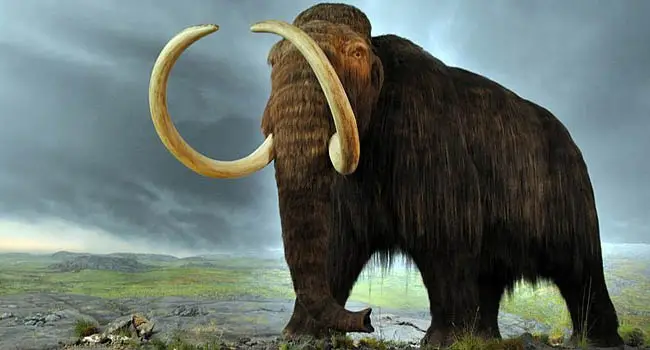
Wooly Mammoth image from Flying Puffin, CC BY-SA 2.0, via Wikimedia Commons