Future Medical Technology
Future medical technology breakthroughs will build from the incredible progress made in nanotechnology, biotechnology, computers, the information learned from deciphering the human genome and other scientific and technical areas.
Here are some of the futuristic medical devices and technologies that exist, are in development or are predicted.
- Brain-computer interface
- Care giving robots
- Computer aided diagnosis
- Drug delivery devices
- Regenerative medicine, replacement organs
- Emotional/physical control devices
- Slowing or stopping aging
- Drug delivery devices
- Gene therapy/manipulation
- Home/self monitoring & diagnosis
- Minimally invasive procedures
- Molecular and genetic diagnostics
- Neural Stimulation
- Organ replacement / growing organs
- Personalized drugs
- Robotic surgery
- Bioengineered devices
- Virtual medicine
- Extended/eternal life
- Synthetic life
- Repairing/manipulating DNA
- Organ replacement / growing organs
- Designer babies / designer bodies
- Personalized drugs
- Gene therapy/manipulation
- Biostasis - Cryogenic sleep
- Human cloning
- Virtual/robot medicine
- Instant pain relief
- Biosensors - implanted or in clothing
- Bionic implants to allow for extreme strength
- Morphing of the human body
- Age reversal
- Creation of organisms
- Synthetic organs
- Enhanced senses
- Alteration of our bodies in superhuman ways
- Bionic limbs
- Use genes of other animals to implant in us
- Artificial immune system
- A capsule that can be swallowed which will cure all diseases
Forever Young

In 2019, global life expectancy was 73.4 years, up from 66.8 years in 2000. But, some futurists believe that a child born today might actually live forever.
Babies Growing Outside the Womb

Artificial wombs are mechanisms that are used to grow an embryo outside of the body of a female. Could this be the future of reproduction for humans? Scientists have grown mice embryos in man-made, bubble shaped wombs.
Health Watch

The house call is back. Doctors can already gather your glucose from their gardens and check your liver from the links (though your butt may come after the putt). Remote medical monitoring will be commonplace in the future and it promises to benefit both physicians and patients by saving time and money.
Pandemic Research
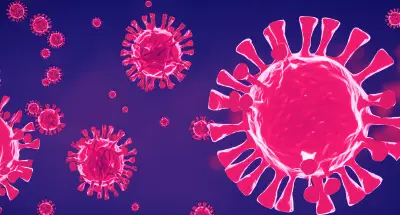
Influenza viruses are classified as type A, B, or C based upon their protein composition. Type A viruses are found in many kinds of animals, including ducks, chickens, pigs, whales, and also in humans.
The type B virus widely circulates in humans. Type C has been found in humans, pigs, and dogs and causes mild respiratory infections, but does not spark epidemics. Type A influenza is the most frightening of the three. It is believed responsible for the global outbreaks of 1918, 1957 and 1968. COVID was declared a pandemic by the World Health Organization in March 2020.
Can technology protect us from the COVID and the flu?
Regenerative Medicine
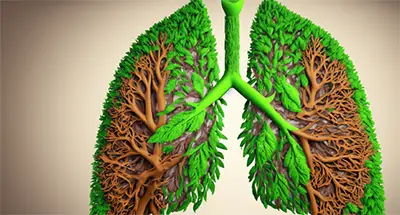
Imagine a world where there is no donor organ shortage. Where victims of spinal cord injuries can walk, where weakened hearts are replaced. This is the long-term promise of regenerative medicine, a rapidly developing field with the potential to transform the treatment of human disease through the development of innovative new therapies that offer a faster, more complete recovery with significantly fewer side effects or risk of complications.
Nanomedicine
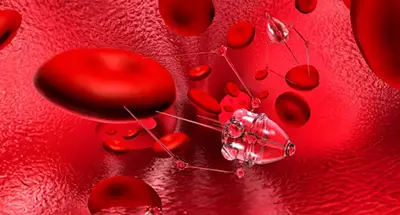
Nanomedicine is promising great things, including great advancements in the treatment of cancer. Imagine swarms of nanobots swimming through your veins, repairing cells or attacking viruses. On second thought, get that image out of your mind, it's a bit creepy. Just close your eyes and wait for the healing to begin.
Future of Medicine Articles and Web Sites
I search the internet daily for new articles from around the world that interest me or I think will interest you. My hope is that it saves you time or helps students with their assignments. Listed by most recent first, dating back to 2005.
-
Bioethicist: Let surgeons kill patients during organ harvesting from Mind Matters
-
Soft Cyborg Cardiac Patches Could Improve Stem Cell Heart Repair from SEAS
-
Scientists develop one-product-fits-all immunotherapy for pancreatic cancer from UCLA
-
Meet the physician-scientist who is bioprinting vessels from Vox
-
A new one-time treatment could wipe out high cholesterol forever from BBC Science Focus
-
Simple saliva test catches heart failure before you know you have it from New Atlas
-
95% of kids with bubble boy disease cured by one-time gene therapy from New Atlas
-
Unlocking the Skin’s Natural Healing Power from Yale School of Medicine
-
Huntington's disease successfully treated for first time from BBC
-
New mRNA Cancer Vaccine Wipes Out Multiple Types of Cancer in Mice from Singularity Hub
-
In a First, Scientists Transplant a Modified Pig Lung Into a Person from Singularity Hub
-
Chronic pain research breakthrough identifies promising drug target from University of Oxford
-
3D Printable Skin in a Syringe for Healing Burns from 3D Natives
-
Eye on AI: Applying Artificial Intelligence to Drive Cancer Research, Part 1 from AACR
-
Three innovations pushing the medical field forward from NPR
-
USC researchers pioneer lifesaving cancer breakthroughs from University of Southern California
-
Forget the Jab: This Pill Is Packed With mRNA from Singularity Hub
-
3D Printing In Vivo Using Sound from UCLA
-
These tiny robotic tools powered by magnetic fields could enable minimally invasive brain surgery from University of Toronto Engineering
-
Pig organs in people: The future of cross-species transplants from Knowable Magazine
-
Scientists Say They’ve Discovered How Cancer Hijacks and Corrupts Immune Cells from Singularity Hub
-
Visualizing a Key Step in How an NRPS Enzyme Produces an Antibiotic from UC San Diego
-
New bioprinting technique creates functional tissue 10x faster from Penn State
-
Breakthrough Autism Study Unveils New Mechanisms and Promising Genetic Treatment from SciTechDaily
-
Gene editing technology is revolutionizing disease treatment video
-
Study discovers what’s behind heart cell damage from chemotherapy from Stanford Medicine
-
Potential drugs for cancer treatment may help tackle tuberculosis from Cornell Chronical
-
Researchers engineer experimental drug for preventing heart failure after heart attacks from UCLA
-
Are Biologics the Future of Food Allergy Treatment? One Study Weighs Pros and Cons from UNC
-
Autoimmune Diseases Stopped in Their Tracks by ‘Phenomenal’ Donor Cell Therapy from Singularity Hub
-
In Medical First, Woman’s Type 1 Diabetes Seemingly Cured by Stem Cells from Gizmodo
-
Moderna’s ‘Off-the-Shelf’ Cancer Vaccine Shows Promise in Early Human Trial Data from Gizmodo
-
A New Gene Therapy Reprograms Cancer Cells to Fight Themselves from Singularity Hub
-
Alzheimer’s Breakthrough: New Drug Shows Promise in Reversing Memory Loss and Cognitive Decline from SciTechDaily
-
Alzheimer’s Imaging Breakthrough: Fluorescent Sensors Penetrate Blood-Brain Barrier from SciTechDaily
-
Dual-action antibiotic could make bacterial resistance nearly impossible from UIC Today
-
How 3D Printing Could Revolutionize The Way You Get Your Medication from Slash Gear
-
Harnessing Nutrients: Scientists Discover New Way To Effectively Treat Cancer from SciTechDaily
-
mRNA Cancer Vaccines Spark Renewed Hope as Clinical Trials Gain Momentum from Singularity Hub
-
From Wearables to Swallowables: USC Engineering Researchers Create GPS-like Smart Pills with AI from USC Viterbi
-
World-first tooth-regrowing drug will be given to humans in September from New Atlas
-
Root canal? Next-gen treatment could involve stem cells, not surgery from University of Buffalo